

Shush! We’re Reading
A book read-view
ikigai
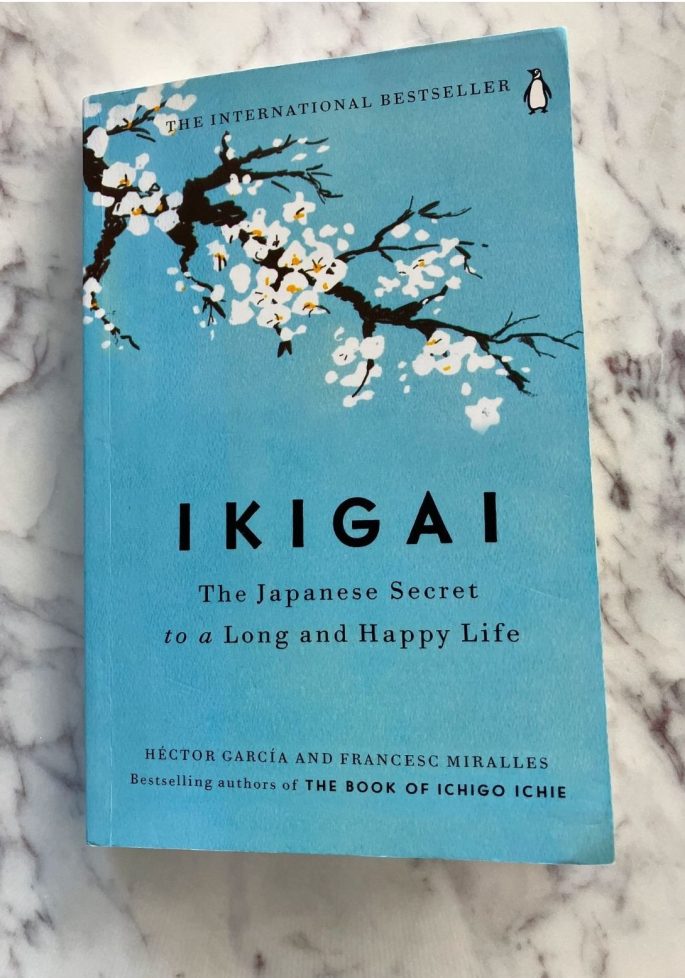
What Kind of Book is Ikigai?
Ikigai is a non-fiction, self-help book that emphasises personal growth, psychology, wellness, and living a more meaningful life. Authors Hector Garcia and Francesc Miralles explore topics related to Japanese culture, health, and lifestyle. The content offers practical advice on diet, exercise, stress management, and maintaining community bonds. It provides insights into Japanese traditions to help readers find purpose in life. The book aims to reveal the secrets of Japan’s centenarians and guide readers in discovering their own Ikigai.
This post reflects my interpretation of the book and what motivated me to respond to specific ideas and the events around me. It contains messages that are broad, intense, and meaningful. It’s vibrant and honest because we all have experienced these feelings. It prompted me to rethink our approach to life, relationships, ageing, longevity, and discovering our purpose for a long, joyful life.
What does Ikigai mean?
From books to casual chats, or even movies, we constantly pick up new words, and this one recently caught my attention. “Ikigai” – a word I had never come across before. So, I checked with dictionary.com, which states: “One’s reason for being, which in principle is the convergence of one’s personal passions, beliefs, values, and vocation” (“IKIGAI definition & meaning,” n.d.). However, yourdictionary.com defines it as a Japanese concept relating to having a reason and a sense of purpose in life, based on a person’s interests and talents (“Ikigai definition,” n.d.), which suggests that both meanings share the same core theme – something that makes life worth living. So, is the word Ikigai difficult or impossible to understand? The book identifies Ikigai as the reason we get out of bed in the morning.
The overall idea of Ikigai is what makes life worthwhile, or finding one’s purpose in life, which is linked to longevity.
Ikigai is a Japanese philosophy derived from two Japanese words: “IKI” meaning life or being alive, and “GAI” meaning worth. Together, it signifies life’s purpose or reason for waking up in the morning.
Here are some passages I felt particularly connected to.
(1) Give your brain a workout. The brain creates new connections and is revitalised. This is why it is important to expose yourself to change, even if stepping outside your comfort zone means feeling a bit of anxiety. (García & Miralles, 2017, p. 21)
Our brain needs ongoing stimulation and mental exercises. When the brain forms deep-rooted habits, it clings to routines and no longer needs to think, which diminishes our ability to respond to our surroundings.
(2) Modern societies do what they are told to do, or what others do, rather than what they want to do. They often try to fill the gap between what is expected of them and what they want for themselves with economic power or physical pleasure, or by numbing their senses. (García & Miralles, 2017, p. 41)
We behave according to social expectations, such as being a good worker, believing we have no choice but to follow orders. We often tell ourselves that it is only a temporary measure to gain experience, pay the bills, or secure a better future, which aligns with our personal sense of family responsibility. Sometimes, when we feel an emptiness inside, we seek approval for everything we do, hoping it will fill the void. Still, in truth, it only fills the gap of what is expected of us. Until we discover our purpose in life, we will never truly experience or demonstrate that we have lived for something.
(3) Flow is the state in which people are so involved in an activity that nothing else seems to matter; the experience itself is so enjoyable that people will do it even at great cost, for the sheer sake of doing it. (García & Miralles, 2017, p. 57)
When we enjoy what we’re doing, we lose focus on the task because the experience is pleasurable and rewarding, making nothing else seem important. Time appears to fly, and the hours pass quickly as we feel in control of what we’re doing.
(4) Changes in the world around us are not accidental but rather form part of the essence of the universe. Everything we have and all the people we love will disappear at some point. Being aware of the impermanence of things does not have to make us sad; it should help us love the present moment and those who surround us.(García & Miralles, 2017, p. 171)
Nothing is permanent in this world. Since we are not in control of the universe, we should enjoy the moment with friends and family and not worry about the past or the future.
(5) Life is pure imperfection, and the passage of time shows us that everything is fleeting, but if you have a clear sense of your Ikigai, each moment will hold so many possibilities that it will seem almost like an eternity.(García & Miralles, 2017, p. 179)
Life passes quickly and lasts only for a short time. This reminds us that in those fleeting moments, we should share our lives with others to fill the empty pages when the world isn’t slowing down.
Do you know what ignites your spirit? It’s your Ikigai, waiting to be discovered by you.
Till next time,
Cheers!

References
Dayman, L. (2025, July 8). Ikigai in 2025: The Japanese concept of finding purpose in life. Savvy Tokyo. https://savvytokyo.com/ikigai-japanese-concept-finding-purpose-life/
García, H., & Miralles, F. (2017). Ikigai: The Japanese secret to a long and happy life. Random House.
IKIGAI definition & meaning. (n.d.). In Meanings & definitions of English words | Dictionary.com.https://www.dictionary.com/browse/ikigai
Ikigai definition. (n.d.). YourDictionary: Definitions and Meanings From Over a Dozen Trusted Dictionary Sources. https://www.yourdictionary.com/ikigai
 ninagracia.com