
Just a Quiet Observation
Exploring the universal theme of the human
condition
BOUNDARIES
Some doors we close easily. Others, we leave open, even if they pull us away from our work. How do we learn which to close? Regardless of the answer, it can be tough for certain personalities.
Someone told me that to protect their peace, they are setting boundaries with friends and family. I found this straightforwardness quite harsh, awkward, and very unsettling. If I were to respond, I’d say, “It’s terrible because it’s empowering, and it pushes people away.” However, these invisible lines that regulate our emotional and psychological health help create a sense of safety and balance in our daily lives without undermining someone else’s humanity. Without boundaries and always being available can sometimes lead others to believe that our time and energy are limitless. Setting boundaries is healthy, but for some of us, it can feel unfamiliar, uncomfortable, and even hard to choose the right ethical course.
What are boundaries, really? Essentially, they are the limits and values we set around ourselves. The idea of boundaries suddenly appeared, and everyone started talking about it. The word ‘boundaries’ initially began being used in clinical contexts during the post-pandemic mental health crises to encourage self-protection and emotional independence. Regrettably, in workplaces that value constant availability, setting boundaries is essential to safeguard against chronic stress, exhaustion, and the pressure to overwork. Now, ‘boundaries’ have become part of our everyday conversations. You’ll hear it in podcasts, social media posts, and even during casual chats over a cuppa. The message is straightforward: We have to set boundaries, protect and stand by them. Healthy individuals have boundaries, and strong individuals sustain them. I have listened to these chats with interest, but also with a bit of unease. I do not disagree with the idea, but for many, establishing boundaries does not come naturally. For some of us, saying “not now,” “no,” or “I can’t” feels more like turning someone away at the door.
I’ve always taken on the role of the listener. When someone calls, I answer. When someone needs to talk, I stop what I’m doing and make space. I don’t rush to give advice; I listen. Sometimes it’s exhausting. Sometimes it pulls me away from the task I planned to finish. But there’s something truly human about that exchange, a reminder that we all carry unseen burdens and sometimes need to share them with others. However, there’s a cost to being generous and always available. Our creative work can’t thrive on fragments of attention or from waiting patiently. Once we lose our focus, it’s not easy to regain. So, when does being available turn into a quiet delay of one’s own calling? When does kindness start to compete with the tasks we believe we are supposed to do? People who are used to unlimited access to someone often see boundaries as a form of rejection. So, maybe — just maybe—boundaries are necessary in a world that often asks for too much. But we should also recognise that for some of us — me, you, and others—learning to set them isn’t just a technique. It’s an internal negotiation between generosity and self-preservation—between wanting to be there for others and recognising that our time, too, is limited.
The challenge with boundaries should include those of us who hesitate, not because we lack the strength to uphold them, but because we deeply value connection without losing the parts of ourselves that make us generous. It is another skill that some of us need to learn gradually.
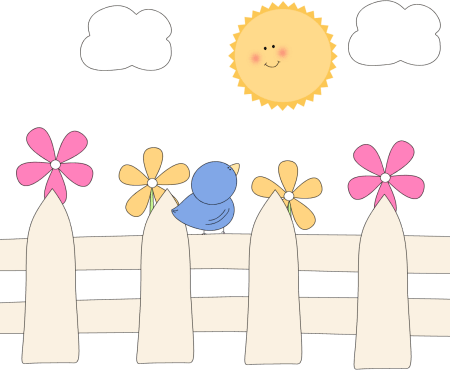
Setting a boundary doesn’t have to involve building a wall. We don’t need rigid barriers, just a few “gentle fences to shield our garden”. It may mean asking for some time, finishing a task before answering the phone, or trusting that a friendship can survive a postponed chat.
I am learning–gradually and bit by bit–that protecting my time doesn’t lessen my kindness. It might even help to preserve it. And like any new habit, it feels awkward at first.
But growth generally does.
Till next time,
Cheers!

References
Are boundaries selfish? The answer is more complicated than you think. — Dr Soph. (2023, July 6). Dr Soph. https://drsoph.com/blog/are-boundaries-selfish-or-controlling
The Energy Project. (2024, January 25). Overcome burnout culture with boundaries. https://theenergyproject.com/overcome-burnout-culture-with-boundaries/
The importance of boundaries in maintaining mental health. (2026, March 6). Grand Rising Behavioral Health – Mental Health Treatment Center in Massachusetts. https://www.grandrisingbehavioralhealth.com/blog/the-importance-of-boundaries-in-maintaining-mental-health
Scherzi’s, L. (2023, July 14). Boundaries are suddenly everywhere. What does the squishy term actually mean? The Guardian. https://www.theguardian.com/lifeandstyle/2023/jul/14/what-are-relationship-boundaries-jonah-hill
Spotts-De Lasser, A. (2025, August 13). The dark side of boundaries no one talks about. Psychology Today.https://www.psychologytoday.com/au/blog/meaningfull/202508/the-dark-side-of-boundaries-no-one-talks-about
Taylor-Olsen, C., & Dr. Yaugher, A. (n.d.). Establishing boundaries: Essential or selfish? Utah State University Extension | USU. https://extension.usu.edu/relationships/faq/establishing-boundaries-essential-or-selfish
 ninagracia.com